Introduction
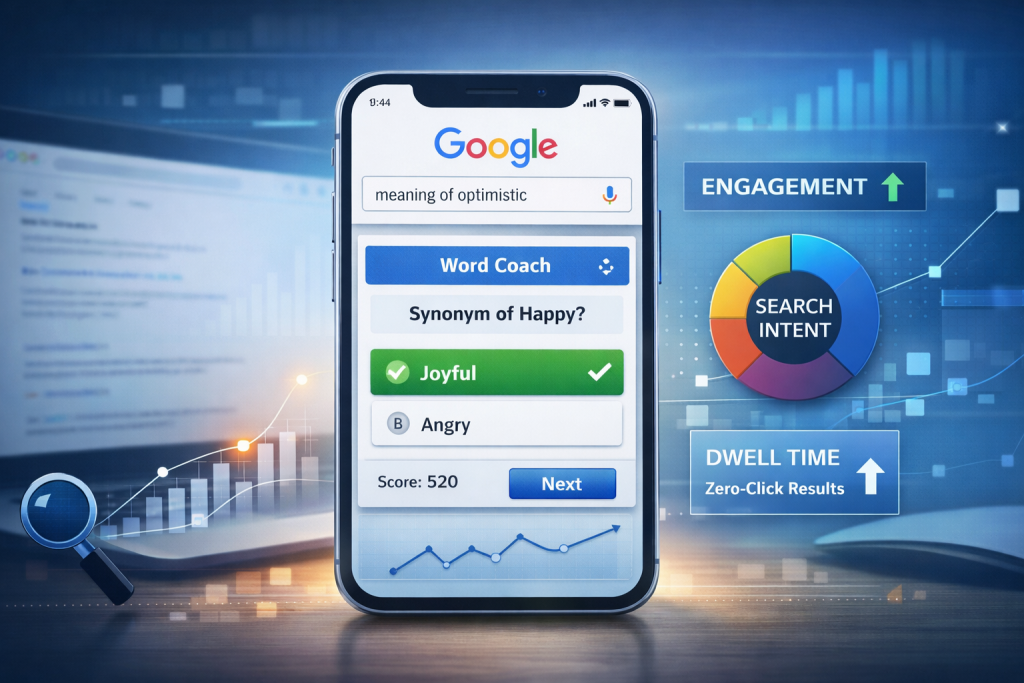
In today’s SEO landscape, ranking on Google is no longer just about inserting the right keywords into your content. What truly matters is understanding why users are searching in the first place. This is where Search Intent in SEO becomes essential.
For businesses, this means one thing: if your content does not align with user intent, it simply won’t perform — no matter how well optimized it is.
What is Search Intent in SEO?
Search Intent in SEO refers to the underlying goal a user has when typing a query into a search engine. It goes beyond the keywords themselves and focuses on the outcome the user expects.
For example, when someone searches “best SEO tools,” they are not just looking for a definition — they want recommendations and comparisons. Similarly, a search like “hire SEO agency” indicates a readiness to take action.
This shift from keywords to intent is what defines modern SEO. Google now prioritizes content that directly satisfies user needs, not just content that repeats search terms.
Why Search Intent Matters in SEO
Many websites struggle to rank because they focus only on keywords without understanding the intent behind them. As a result, they create content that attracts traffic but fails to engage or convert users.
When your content aligns with Search Intent in SEO, it naturally performs better. Users stay longer on your site, interact with your content, and are more likely to take action. These engagement signals tell Google that your page is valuable, which improves rankings over time.
In simple terms, search intent is the bridge between traffic and conversions.
Types of Search Intent in SEO
To effectively optimize your strategy, it’s important to understand the four main types of Search Intent in SEO.
1.Informational Intent
This is when users are looking for knowledge or answers. They may want to understand a concept, learn a process, or find a solution to a problem.
For example, searches like “what is SEO” or “how to improve website traffic” fall into this category. In these cases, users expect detailed, easy-to-understand content that educates them.
Blog posts, guides, and tutorials work best for informational intent because they provide depth and clarity.
2. Navigational Intent
Here, users already know what they are looking for and want to reach a specific website or brand.
Searches like “PandaCore website” or “Facebook login” are examples of navigational intent. In such cases, users are not exploring options — they are trying to find a particular destination quickly.
Optimising for navigational intent involves ensuring your brand is easily discoverable and ranks for its own name.
3. Transactional Intent
Transactional intent indicates that a user is ready to take action, such as making a purchase or hiring a service.
Searches like “buy SEO services” or “hire digital marketing agency” show strong buying intent. Users expect clear, persuasive, and conversion-focused pages that help them make decisions quickly.
Service pages, landing pages, and product pages are best suited for this type of intent.
4. Commercial Investigation Intent
This is the stage where users are comparing options before making a final decision.
Searches like “best SEO tools” or “SEO vs Google Ads” indicate that users are evaluating different solutions. They are not ready to buy yet, but they are close.
Content such as comparison blogs, reviews, and detailed breakdowns perform well here because they help users make informed choices.
How Google Understands Search Intent
Google uses advanced algorithms and user behaviour signals to understand intent. It analyses how users interact with search results, which types of content they prefer, and how long they stay on pages.
It analyses:
- Search query wording
- User interaction signals
- Content performance
- SERP features (featured snippets, videos, etc.)
How to Optimize for Search Intent in SEO
To rank effectively, your content must align with intent.
1. Analyse the SERP
Search your keyword and observe:
- Top-ranking pages
- Content format
- Featured snippets
This shows what Google prefers.
6. Data-Driven Decision Making
One of the key Marketing Fundamentals today is using data to guide decisions.
This includes:
- Website analytics
- User behaviour tracking
- Conversion data
7. Conversion Optimization
Traffic alone is not enough — conversion is key.
Optimisation includes:
- Clear CTAs
- User-friendly design
- Fast loading speed
- Trust signals
The goal is to turn visitors into leads and customers.
Key Benefits of Strong Marketing Fundamentals
Building a strong foundation in Marketing Fundamentals is what separates short-term results from long-term success. Businesses that focus on the right strategy, audience, and execution consistently outperform competitors.
When implemented correctly, these fundamentals don’t just drive traffic — they create sustainable growth, better engagement, and higher conversions.
- Consistent Traffic Growth: Sustainable strategies bring long-term results and steady organic visibility.
- Better Lead Quality: Targeting the right audience improves conversion rates and reduces wasted traffic.
- Stronger Brand Authority: Builds trust and credibility, positioning your business as an industry leader.
- Higher ROI: Strategic marketing ensures better use of budget and maximises returns.
Common Mistakes Businesses Make
Despite investing in Digital Marketing, many businesses fail to achieve consistent results. The main reason isn’t lack of effort — it’s the absence of strong Marketing Fundamentals and strategic direction.
Without a clear foundation, even the best tools and campaigns can lead to poor performance and wasted budget.
- Focus only on tools, not strategy
- Ignore search intent
- Produce low-quality content
- Lack consistency
How PandaCore Applies Marketing Fundamentals for Growth
At PandaCore , we don’t rely on shortcuts. We build structured, data-driven systems based on strong Marketing Fundamentals to deliver long-term results.
- SEO & Search Intent Optimization
Aligning content with how users search
- Content Marketing Strategy
Building authority through high-quality content
- Technical SEO & Performance Optimization
Ensuring your website performs at its best
- Lead Generation Focus
Driving high-intent traffic that converts
We help businesses across Gold Coast and Brisbane turn Digital Marketing strategies into measurable growth and revenue.
Frequently Asked Questions (FAQs)
Conclusion
Understanding Marketing Fundamentals is essential for building a successful digital strategy. While trends and tools change, the core principles remain constant.
Businesses that focus on the fundamentals of digital marketing — from audience understanding to search intent and conversion optimisation — are the ones that achieve long-term success.
If you want to build a strategy based on proven fundamentals and real results, PandaCore helps you turn marketing into a scalable growth system.